 First Leaf
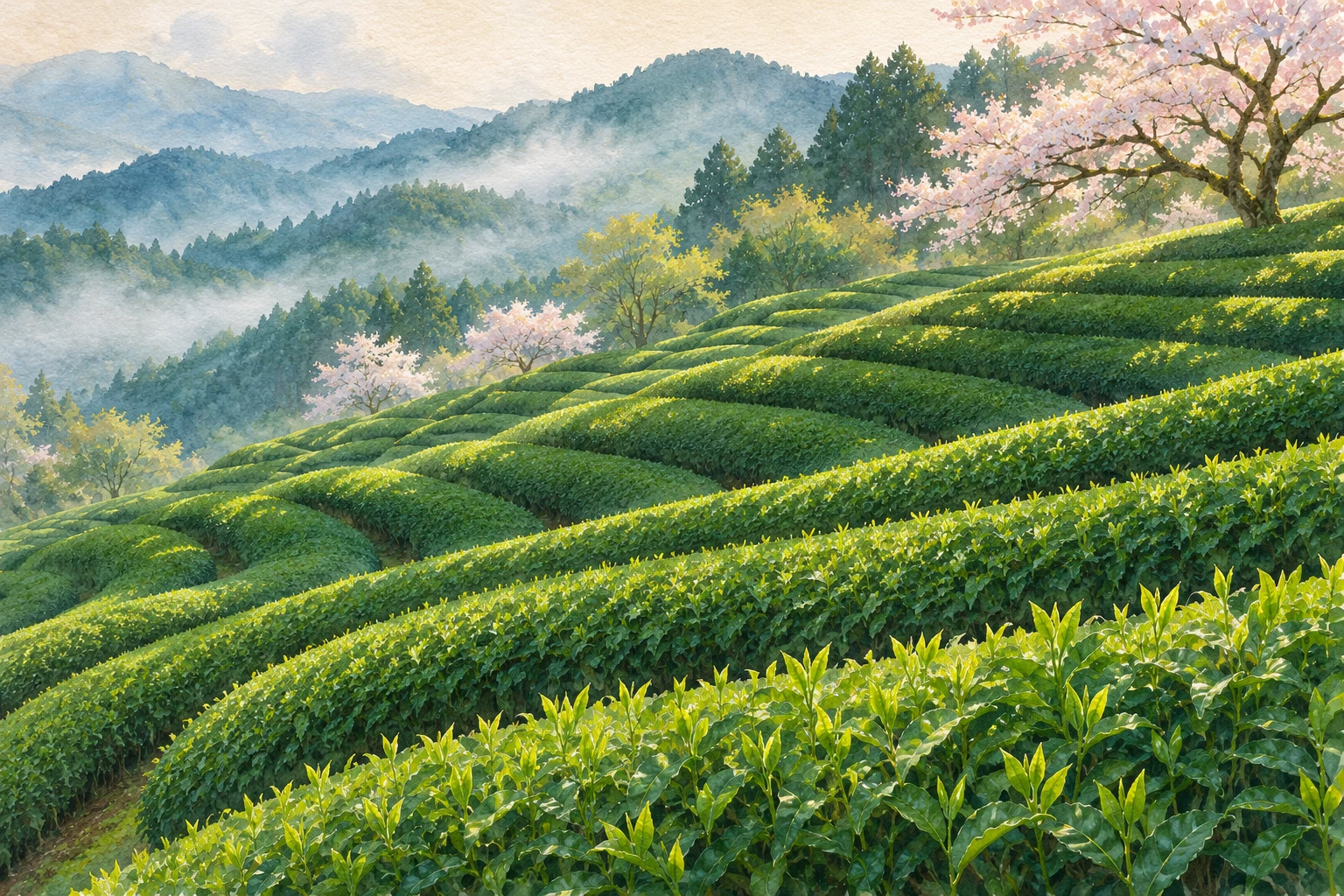
Seed or cutting?
A tea seed holds the start of a new Camellia sinensis plant. As it takes up water and germinates, the first root breaks through the seed coat. The root lengthens, smaller roots branch from it, and a shoot grows leaves above the soil. Seedlings inherit traits from both parents. Two bushes raised from seed can differ in the date they open their buds and in the tea they produce.
In Japan, a new tea field usually begins with cuttings. The grower takes a young stem from a chosen bush, sets it in a nursery bed and gives it time to root before planting it out. Each cutting carries the same genetic traits as its parent. That is how a grower can plant a field of Samidori, a cultivar from Uji that is often grown for tencha. The cultivar helps shape the aroma and taste. The season and the grower still have a say.
Growing under shade
Through winter the tea bush carries its buds. When spring warms the field, new shoots open. Growers preparing leaf for matcha cover the bushes before picking, often for about three weeks. In Uji, traditional gardens use straw and reeds. Others use shade cloth. The grower chooses how much light to admit and when to lower the covers.
Shade changes the balance of compounds in the growing leaf. Amino acids, including theanine, contribute to umami, the savoury taste in the cup. Catechins contribute to astringency, the drying feeling along the gums after a sip. Shaded leaf tends towards a greener colour, a fuller savoury taste and less astringency. The number of days under cover is one clue to flavour. It cannot tell you what a whole harvest will taste like.
The first pick of spring
The first flush, or ichibancha, is the first crop of shoots after winter. In Uji it usually falls between late April and late May. A picker working by hand can choose shoots one by one. A machine cuts across the surface of a tended row. With either method, the grower has to decide when the shoots are ready.
The bush puts out new growth after picking. In Uji the second crop falls around late June or early July, with a possible third picking later in summer. A first crop tends to be richer in amino acids. Later leaf can give a firmer, more drying cup. The dates move with the weather and the cultivar. By autumn the year’s young stems have begun to harden, and the buds that will open next spring pass through winter on the bush.
What happens after picking
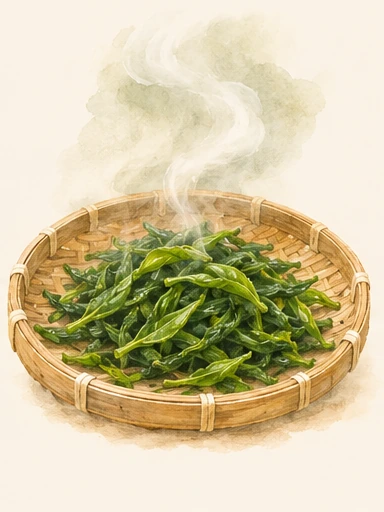
A bruised leaf changes as its enzymes meet oxygen. In black tea, the maker lets that reaction develop the flavour. For matcha, the maker takes the freshly picked leaf to the steamer. A short exposure to steam inactivates the enzymes and arrests that browning early. The leaf is then cooled and dried without rolling.
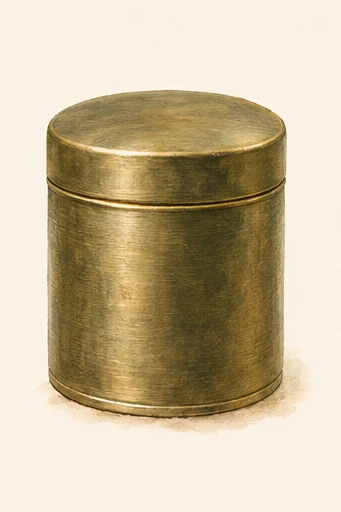
Oxidation matters again after milling, but for a different reason. Once a tin is open, air, light and heat can dull the colour and aroma. At the café, close the lid between drinks and keep the tin away from the hot side of the espresso machine. A sweet, fresh tea can lose much of what made you choose it.
From tencha to matcha
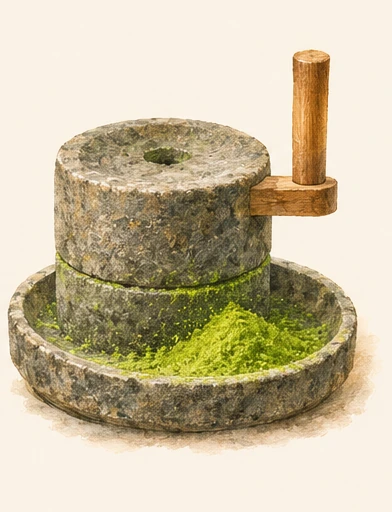
The dried leaf is called tencha. During finishing, the maker separates stems and coarse veins from the leaf. The remaining flakes can be milled on their own or blended with another lot. A blender might want the aroma of one tea and the body of another. A stone mill is the traditional tool for grinding those flakes into matcha.
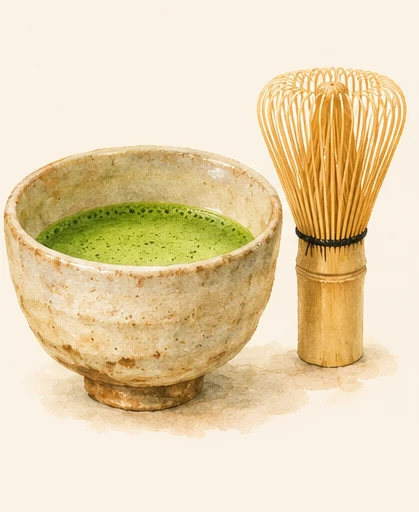
When you whisk matcha, the ground leaf stays in the bowl. Take a sip and notice how it feels on your tongue. Fineness matters here. A tea can have an aroma you love and still feel coarse in the mouth.
What does a grade tell you?
“Ceremonial”, “premium”, “barista” and “culinary” describe a seller’s range. There is no common Japanese grading scale behind those English words. A producer might recommend one tea for drinking with water and another for milk or baking. A grade from one catalogue gives you little basis for ranking it against a tea from another.
There are things a trained taster can judge. One Japanese method looks at the colour and fineness of the dry powder, then at the colour, fineness and staying power of the foam. In the bowl, the taster considers texture, aroma and the balance of flavour. Colour alone tells only part of that story. Ask for the cultivar or blend, the picking season and the preparation the maker had in mind.
Usucha and koicha name preparations. Usucha is whisked with enough water to make a thin tea. Koicha uses more tea for the amount of water, worked into a thick, smooth drink. A tea that tastes gentle as usucha may show a rough edge at that concentration. For a latte, the question changes again. How much of the tea’s character can you taste through the milk?
Eight things that shape the cup
A date on a tin tells you when the leaf was picked. It takes a few more details to explain what you taste.
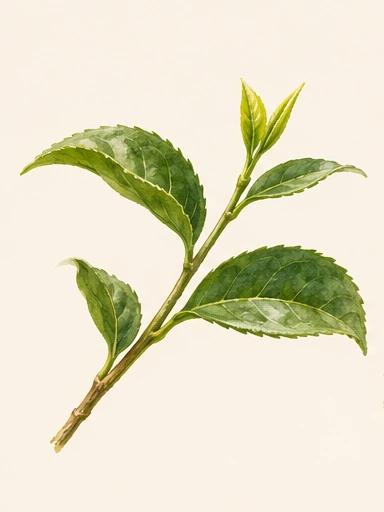 Cultivar
- A plant’s variety sets a starting point for flavour. Compare two cultivars from the same harvest and the savoury depth or scent of the leaf may differ.
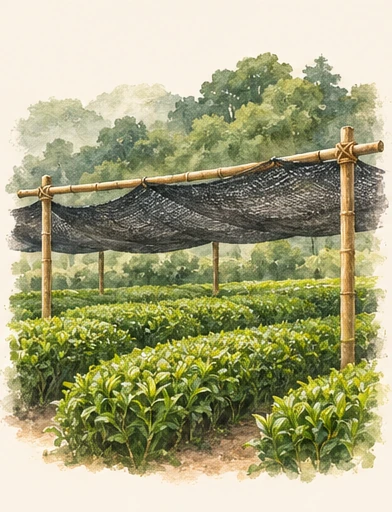 Shade
- Covering the shoots before harvest changes how the plant uses light. Shaded leaf often brings more umami and a softer balance of bitterness.
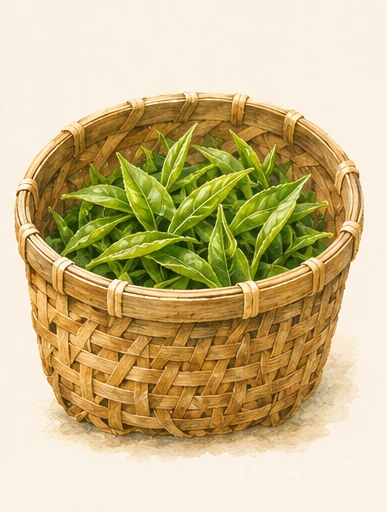 Harvest season
- Spring shoots often give a sweeter, rounder cup. Later flushes can bring a brisker taste and more grip on the tongue.
 Leaf maturity
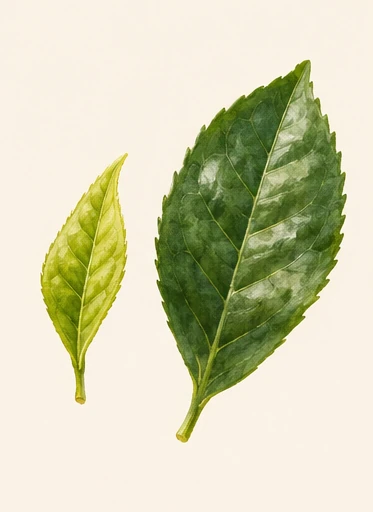
- The tender tip and the older leaf below it have different chemistry. A harvest that gathers more mature leaf can feel drier, even within the same season.
 Time to steaming
- Once a shoot is picked, damage allows enzymes and oxygen to change the leaf. Prompt steaming checks that reaction and helps preserve its green character.
 Milling
- The size and evenness of the particles change how the powder feels. Look for silkiness or grit on the tongue, then notice how clearly the aroma comes through.
 Storage
- After milling, air, light and warmth can dull fresh aromas. An opened tin may taste flatter than a newly opened tin from the same batch.
 Preparation
- More powder in the same water makes a fuller, more concentrated bowl. Record both amounts and the water temperature before comparing two teas.
Flavour profile card
Score the bowl in front of you. Use 0 for absent and 5 for pronounced. For finish, 0 means fleeting and 5 means lingering. These are your observations for this tasting.
Taste it as you’ll serve it
Set out two bowls. Weigh the same amount of each tea and whisk both with the same water at the same temperature. Smell the tea before you sip. Notice whether the finish is sweet, savoury or drying, and how long it lasts.
Taste again as the bowls cool. Sometimes the sweetness is easier to notice on the second sip. If the tea is destined for a latte, make one last comparison with milk and note which aromas carry through.